A high-performing local landing page is not just a design exercise. It is a strategic asset built to rank for geographically specific searches and convert high-intent users into enquiries.
Too many UK businesses create “city pages” by duplicating service content and swapping out place names. That approach rarely performs long-term and can actively harm visibility.
Local SEO is no longer a set-and-forget task. It is a highly complex, multi-layered discipline that requires ongoing strategy, technical precision, and genuine community authority. Understanding why local search is difficult is the first step toward building a strategy that actually drives revenue.
If you want to rank consistently in competitive UK markets, your landing page needs to align with search intent, technical best practice and strong local trust signals.
Here’s how to do it properly.
Understanding Local Search Intent
Local landing pages target users who are ready to act. Searches such as “accountant in Nottingham” or “emergency electrician Glasgow” carry strong commercial intent. The user is not researching theory. They want a provider nearby.
However, modern local SEO goes beyond that simple framework. Local Search Ranking Factors studies, link signals, on-page signals and review signals remain major contributors to local pack and organic rankings:
Your landing page must therefore demonstrate:
- Clear service relevance
- Strong geographic alignment
- Evidence of authority and trust
Without those, rankings are difficult to achieve, especially in competitive UK cities.
Start With a Clear Keyword and Page Focus
Every local landing page should target one primary keyword. For example:
“Commercial boiler repair Leeds”
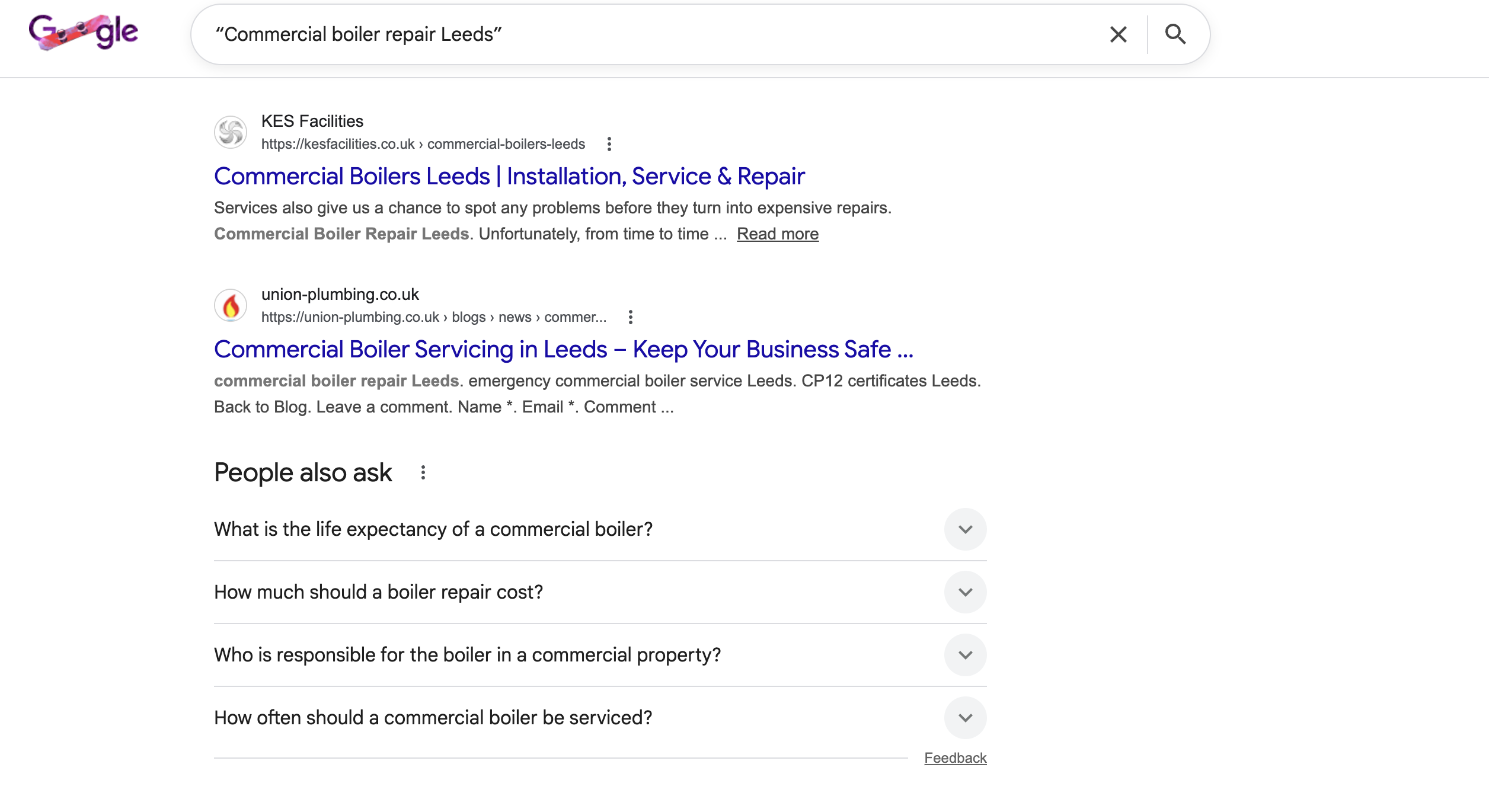
Supporting keywords might include variations such as “Leeds boiler engineers”, “industrial heating repair Leeds” and “emergency boiler repair West Yorkshire”.
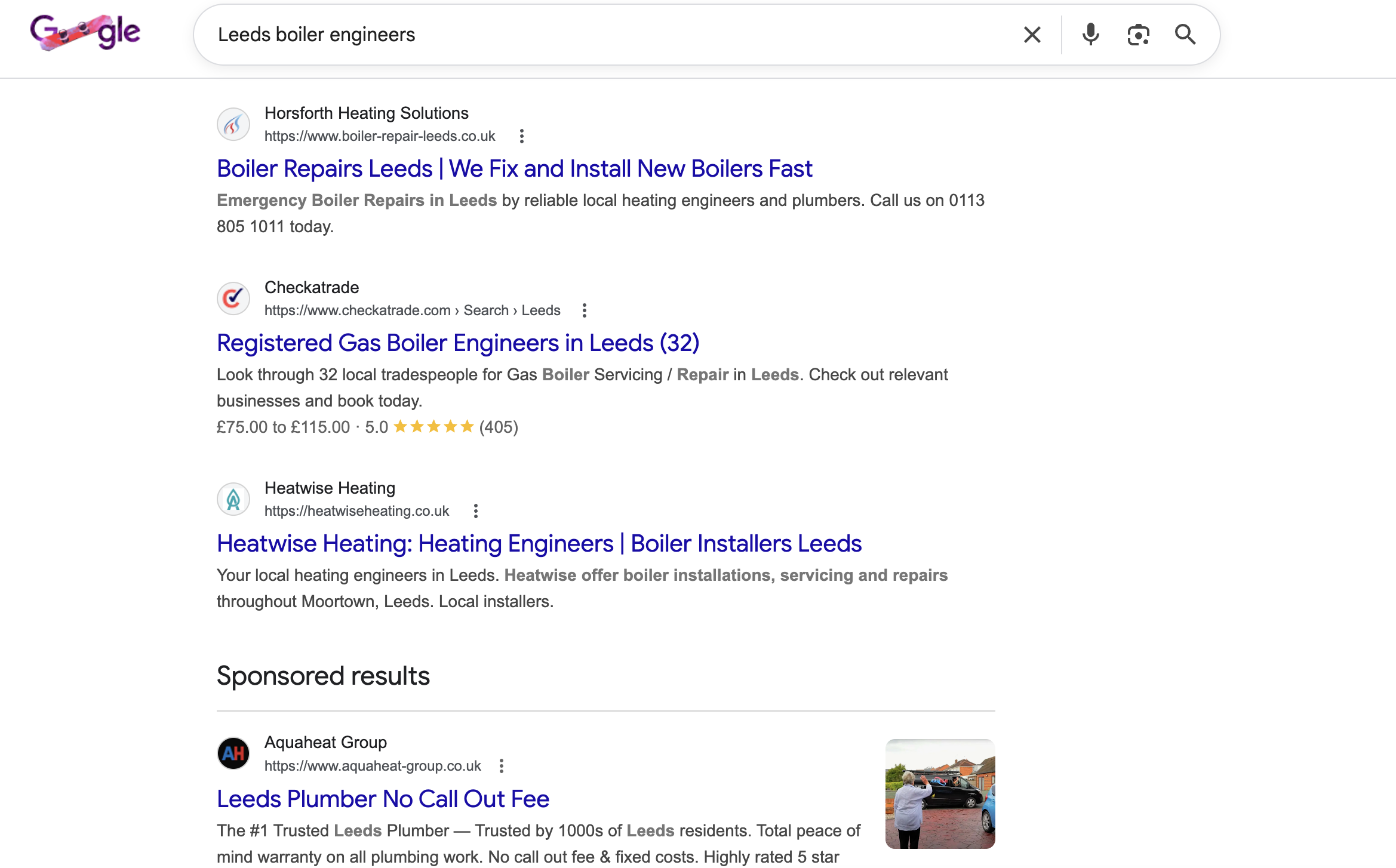
Avoid targeting multiple services on the same location page. That dilutes relevance and confuses both users and search engines.
Clarity wins!
Structure the Page for Both Users and Search Engines
Your H1 should combine service and location naturally:
"Commercial Boiler Repair in Leeds"
The opening section must immediately confirm three things:
- What you do
- Where you operate
- Why someone should contact you
Do not bury location signals further down the page. Early contextual clarity improves user confidence and supports search engines in understanding topical focus.
Search Engine Journal highlights that strong on-page optimisation remains foundational, even in the era of AI-driven search.
A well-structured hierarchy typically includes:
- H1: Service + Location
- Supporting H2 sections covering services, proof, FAQs and local relevance
- Clear internal linking to related services
Example of internal linking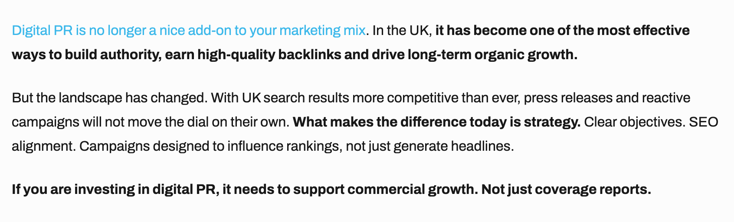
Avoid overly design-heavy layouts that sacrifice clarity for aesthetics. Conversion-focused simplicity often performs better.
Create Genuinely Local Content
This is the most important differentiator.
Generic content with a town name inserted will not perform well long-term. Google’s spam policies explicitly discourage thin or duplicated location pages.
Instead, build local depth into the page.
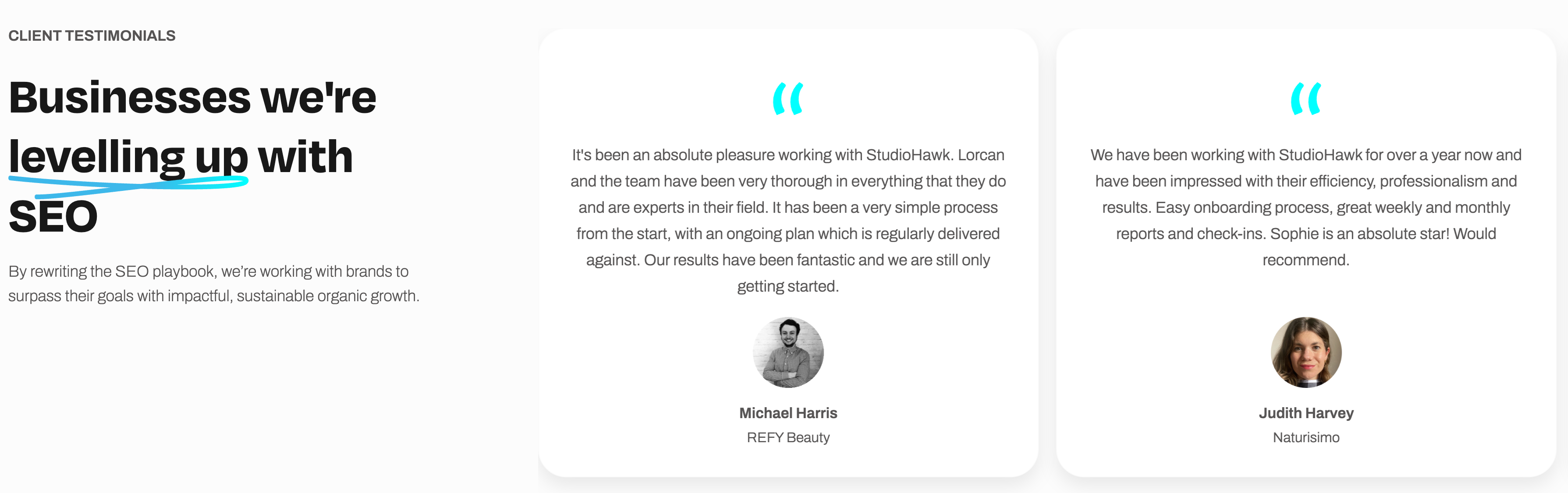
Discuss specific challenges customers in that area face. Reference regional regulations if relevant. Mention service coverage across nearby neighbourhoods. Include testimonials from clients in that city.
For example, if you are a construction consultancy operating in Birmingham, reference local planning considerations or commercial property trends in the West Midlands. That level of specificity demonstrates experience.
Topical depth improves perceived expertise and ranking performance.
This point is often misunderstood.
Topical depth does not mean writing more words for the sake of it. It means covering a subject comprehensively enough that both users and search engines recognise your page as a credible resource.
When a landing page only scratches the surface, it sends weak signals. A generic 400-word service page that simply repeats a keyword and lists benefits does not demonstrate authority. It does not answer nuanced questions. It does not show experience.
In contrast, a topically strong page:
- Explains the service clearly and in detail
- Addresses common local concerns
- Anticipates objections
- Provides examples or case studies
- Includes supporting context such as regulations, timelines or pricing considerations
- Answers related questions within the same topic cluster
Depth signals authority.
Optimise Technical On-Page Elements
Your landing page design must support strong technical optimisation.
Title tags should include the primary keyword and a value proposition. Keep them concise and aligned with search intent. Meta descriptions should encourage clicks by reinforcing locality and urgency.
URLs should be clean and descriptive. For example:
/commercial-boiler-repair-leeds/
Internal links should connect this page to your broader service hub and relevant blog content. Internal linking helps search engines understand site structure and page importance
Structured data is also important. Implement LocalBusiness schema, including your name, address, phone number and service area.
While schema alone will not guarantee rankings, it strengthens contextual understanding.
Design for Conversion, Not Just Visibility
Ranking without conversion is a wasted opportunity.
A strong local landing page should guide users towards action with minimal friction. High-intent local users often convert quickly, particularly on mobile.
Best practice elements include:
- Prominent phone number with click-to-call functionality

- Short, simple enquiry forms

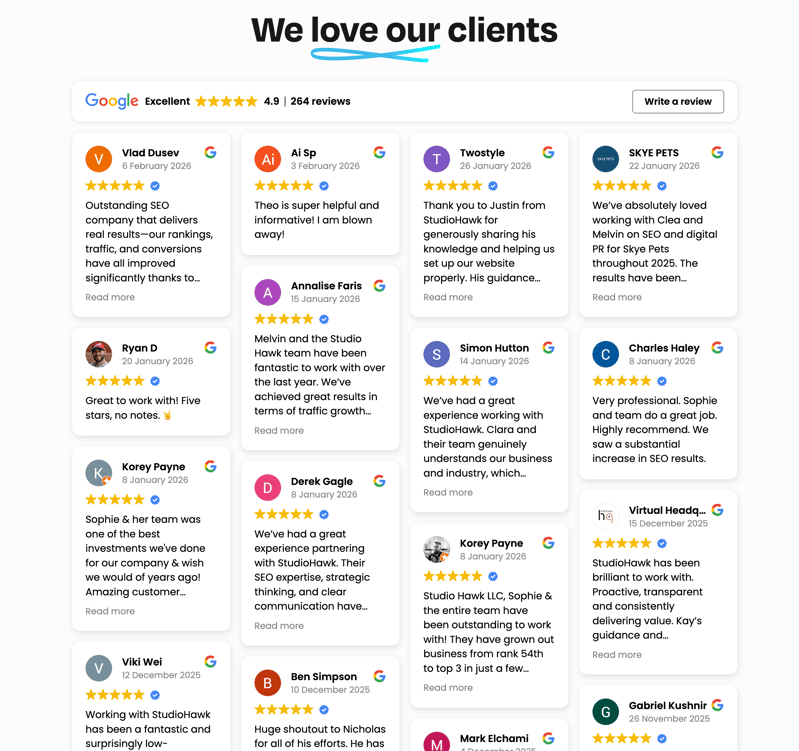
- Visible local reviews
HubSpot shows that clarity and reduced friction significantly improve conversion rates:
Design should support trust and simplicity rather than distract from it.
Build Authority Beyond the Page
A landing page cannot rank in isolation.
Local SEO success depends on signals beyond on-page optimisation. Backlinks from reputable local sources, consistent NAP citations and strong review profiles contribute to prominence.
Encourage satisfied customers to leave genuine Google reviews. Ensure your Google Business Profile is fully optimised and aligned with the landing page content.
Off-page authority reinforces on-page relevance.
Avoid Common Local Landing Page Mistakes
Many businesses undermine their own performance through avoidable errors.
Thin content, keyword stuffing, inconsistent NAP details and slow mobile performance are frequent issues. Page speed in particular is critical. Google’s Core Web Vitals documentation explains how performance impacts user experience and rankings.
-
Mobile-first design is no longer optional.
-
Most local searches happen on mobile devices.
-
If your page loads slowly or is difficult to navigate, rankings and conversions will suffer.
Optimising for AI-Driven Search
Search behaviour is evolving. AI-generated summaries and conversational queries are increasingly common.
To remain competitive:
- Answer common local questions directly
- Include concise FAQ sections
- Use structured headings and clear explanations
- Provide expert-level insight rather than surface-level advice
The importance of Experience, Expertise, Authoritativeness and Trustworthiness (E-E-A-T) cannot be overlooked when optimising a local landing page, particularly as search engines and AI systems become better at evaluating real-world credibility rather than just keywords.
A well-optimised page is no longer defined only by technical signals or on-page copy. It must clearly demonstrate that the business genuinely operates within the local area, understands the challenges customers face, and has a proven track record of delivering results.
Final Thoughts
The perfect local SEO landing page balances three priorities:
- Clear local relevance
- Strong technical foundations
- Genuine authority and trust
Design supports these objectives, but strategy drives them.
If your landing page answers real local queries, demonstrates experience in that area and makes it easy for users to take the next step, you will outperform competitors relying on templated city pages.
Local SEO is competitive across the UK. The businesses that succeed treat landing pages as strategic growth assets rather than basic service pages.
Need help growing your organic traffic?
If you're unsure where to begin or want expert support to build a content strategy that actually delivers results, speak to the team at Studiohawk. We'll help you create and maintain content that remains relevant, useful, and optimised for long-term growth.
Contact our SEO experts today.
Book a free consultation and see what’s possible!